Breathe the City, One Block at a Time

Join a hands-on journey into DIY street-level air quality mapping with mobile sensors, turning bikes, strollers, and backpacks into tiny laboratories. We combine practical builds, calibration wisdom, mapping workflows, and real stories to reveal how pollution shifts corner by corner, empowering neighbors to measure, understand, and act together.

Why the Curb Tells a Different Story

Air can change dramatically within a few meters as exhaust plumes, street canyons, trees, and microclimates interact. Mobile, ground-level measurements capture these spikes and lulls that fixed averages miss, translating lived experience—bus stops, busy crossings, smoky alleys—into numbers that spark conversations, practical choices, and smarter community planning.

What Changes Between Corners

Within a single block, idling vans, wind shifts, and braking patterns can raise or lower particle counts by many times. Watching values rise near intersections and settle beside parks teaches timing, safer route choices, and where small interventions could deliver surprisingly large health gains.

An Evening Ride, Remembered

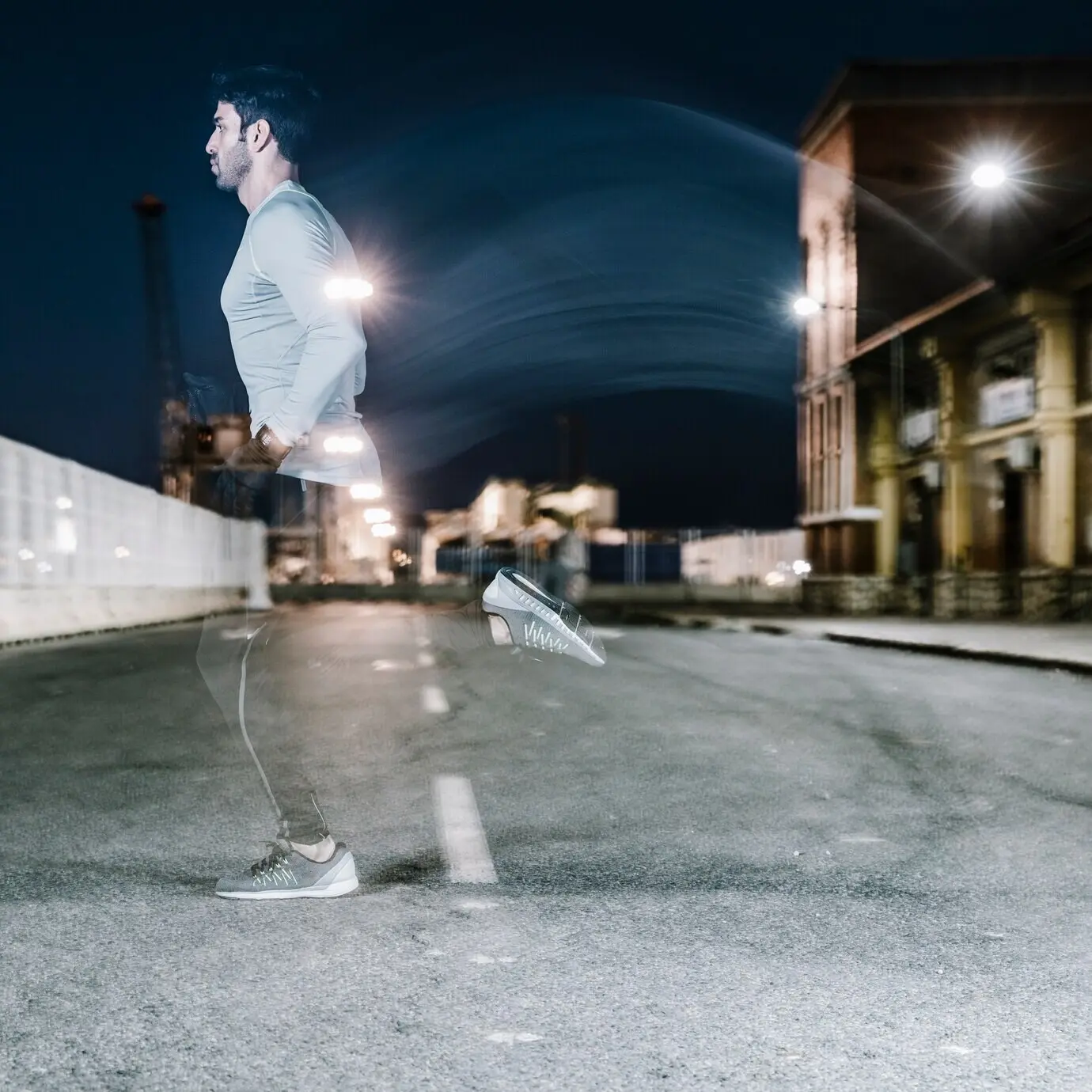
On a frosty night, cycling past a line of wood stoves, my monitor leaped from calm numbers to stinging red bars before easing again at the river. That visceral spike made neighbors curious, opened doors, and began collaborative mapping that finally informed a cleaner heating grant.

Meaningful Differences, Explained

Not every bump signals danger; look for sustained elevations over baseline—say, repeated five‑minute PM2.5 increases of ten micrograms or more along school routes. Context matters: wind, season, and traffic mix all shape patterns, so combine measurements with notes, photos, and shared observations from local travelers.

Assembling a Reliable Rolling Lab

Start with a dependable particulate sensor, optional gas sensors, precise GPS, and a robust microcontroller. Thoughtful power, weatherproof enclosures, clean airflow paths, and safe mounting transform improvised parts into a trustworthy companion that logs, tags, and stores journeys without fuss, even across bumpy streets and long commutes.

Keeping Measurements Honest

Co-locate Before You Roam

Park your build beside a regulatory station or a trusted community instrument for at least a few days. Align timestamps, compute regression or correction curves, and validate stability across temperatures. Publish your method, not just coefficients, so others can repeat, critique kindly, and strengthen the shared dataset.

Correct for Heat and Humidity Drift

Fine particles absorb water, and sensors heat slightly, nudging readings away from reality. Log onboard temperature and relative humidity, apply literature-backed adjustments, and flag extremes. Even a simple humidity break‑point model can tame rainy-day exaggerations and make comparisons across seasons, sunrise commutes, and shaded lanes feel fairer.

Build Routines that Catch Subtle Failures

Set automatic sanity checks that watch for impossible zeros, frozen timestamps, and one‑sided GPS drifts. Compare twin sensors on the same rig to spot aging. Keep concise field notes for events like road works, fires, or heavy pollen, so future you interprets anomalies with confidence.

From Points to Paths on the Map

Turning raw logs into compelling maps starts with tidy data: consistent units, synchronized clocks, and accurate coordinates. Smooth wisely, respect uncertainty, and choose color scales that highlight differences without distortions. Use accessible tools so collaborators can recreate, critique, and extend results on their own laptops and phones.

Clean Logs Become Trustworthy Layers

Standardize headers, keep firmware versions in metadata, and convert to open formats like CSV and GeoJSON. Remove duplicates, fix timezone mishaps, and interpolate only where gaps are trivial. Document choices inline, so every pretty tile can point back to auditable rows and reproducible, community-checked processing steps.

Interpolation Without Illusion

It is tempting to paint every street with gradients, yet sparse lines cannot conjure truth. Prefer route-based displays, confidence bands, and side-by-side repeats. If gridding, annotate uncertainty and neighborhood assumptions clearly, inviting readers to challenge interpretations and contribute missing sweeps that make the picture more complete and trustworthy.

Routes that Matter to People

Plan Coverage with Local Knowledge

Ask parents, couriers, street vendors, and bus drivers where air feels heavy or eyes sting. Sketch loops around parks, underpasses, and depots. Balance novelty with repeatability so comparisons remain fair. Publish proposed routes, invite edits, and keep a changelog that credits suggestions and records why choices were made.

Repeat Rides to See Time Patterns

Morning, afternoon, and late-night sweeps uncover commuter surges, delivery waves, and quiet lulls. Schedule consistent days, log weather, and mark unusual events. With enough repeats, weekly rhythms emerge, separating chance spikes from persistent burdens near homes and schools, guiding practical decisions families and councils can act upon confidently.

Invite Neighbors and Share Credit

A movement grows when many hands help. Host orientation walks, lend rigs, and celebrate first maps together. Offer simple guides, safety briefings, and translation where needed. Thank contributors prominently, publish roles, and invite subscribers to propose next steps, fund batteries, or adopt weekly segments for long-term continuity.

Turning Findings into Change

Numbers become powerful when linked to choices people can make today. Summarize patterns clearly, avoid blame, and propose realistic steps—from cleaner routes to temporary street management, filtration support, or planting plans. Brief officials, support journalists, and invite readers to share stories that humanize charts and galvanize practical action.
Pair a photo of a bus queue with a simple line showing repeated spikes at 8 a.m., then offer an alternative walking path. Keep axes honest, cite methods, and avoid cherry-picking. Invite feedback publicly, fix mistakes quickly, and publish updated drafts so everyone sees learning in motion.
Host data on platforms that respect privacy, include clear licenses, and provide summaries for non-specialists. Offer downloadable files, scripts, and a changelog. Encourage reposts with attribution. Use newsletters to highlight fresh insights and ask subscribers where to focus next, cultivating an informed, welcoming circle of collaborators and advocates.

Safety, Privacy, and Respect

Collecting useful evidence should never compromise wellbeing. Avoid pointing cameras at faces, strip precise home locations, and ask permission near schools or private yards. Ride predictably, use lights, and obey local rules. When challenged, listen first, explain goals briefly, and offer contact details for continued conversation later.

Protect People While Collecting Truth

Aggregate points to blocks before sharing, blur recognizable backdrops in photos, and remove plate numbers from notes. Share sensitive insights privately with affected groups first. Center dignity, especially for children and workers outdoors, and invite consent for quotes, ensuring participation strengthens community ties rather than exposing vulnerabilities unintentionally.

Operate Visibly and Courteously

High-visibility clothing, a polite sign on your rig, and calm responses defuse suspicion quickly. Offer a flyer with links and contacts. Yield space generously, avoid blocking doorways, and pause away from crowds while troubleshooting. Respect requests to move on, and thank bystanders who show curiosity or kindness toward volunteers.

Know Your Local Rules Before Rolling

Different cities regulate sensors, bicycles, drones, and signage differently. Read relevant codes, register devices if required, and avoid restricted areas. Some regions treat air data as public advocacy; others require permits. Document compliance in your project notes, protecting participants and ensuring results withstand scrutiny from officials and skeptics.
Zerarinonexolumanoviviro
Privacy Overview

This website uses cookies so that we can provide you with the best user experience possible. Cookie information is stored in your browser and performs functions such as recognising you when you return to our website and helping our team to understand which sections of the website you find most interesting and useful.