
Curbside Physics: Friction, Sound, and Light You Can Try Right Now
Roll, Slide, and Stick: Everyday Friction on Pavement
Chalk Ramp Challenge

Shoe Stop Test

Coin Versus Cap Drag
Street Symphony: Listening for Hidden Patterns
Sunlight, Shadows, and Reflections All Around
Measure Better: Timing, Units, and Uncertainty





Safer Setups on a Busy Block
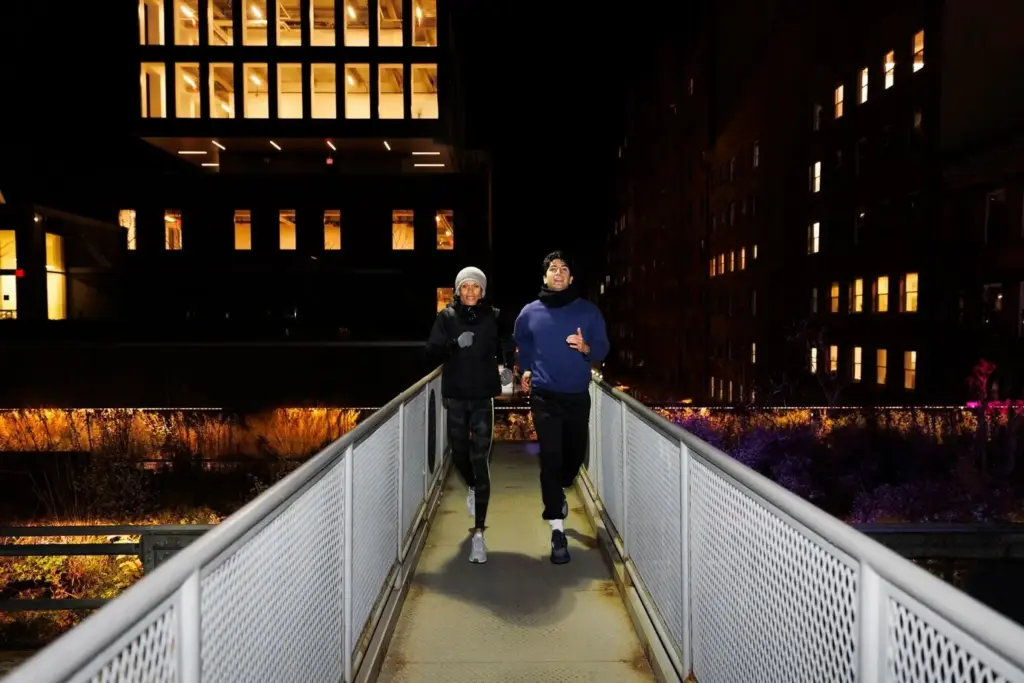
Scout locations during a quiet hour, then mark a small test area with colorful chalk arrows so walkers can steer clear. Keep equipment compact and bags zipped between trials. Position someone to spot approaching traffic or scooters. Avoid blind driveways and steep slopes. Bring bandages, hand wipes, and spare water. A short pre-checklist builds calm confidence and lowers risk, making it easier to focus on patterns and measurements rather than hurried, unsafe improvisation.
Sound Courtesy and Local Norms
If a test involves tone bursts or clapping, agree on short intervals and pauses. Ask nearby residents if timing suits them, and keep volume as low as needed for results. Use soft mallets, rubber bands, or muted taps instead of sharp impacts. Respect quiet hours and skip amplification. When people feel included and considered, curiosity spreads instead of annoyance. You will often gain helpful questions, fresh perspectives, and maybe even an extra pair of enthusiastic hands.
Weather Watch and Surface Surprises
Moisture transforms friction and sound, turning smooth pavement slippery and muting echoes. Check forecasts, feel surfaces before running tests, and adjust plans if rain threatens. Wind skews decibel readings and speeds up chocolate melting in sunlight. Heat can soften tape and loosen chalk marks, so label clearly and redraw as needed. Good notes about conditions explain puzzling outcomes later, and sometimes the weather itself becomes the most interesting variable to explore deliberately.
Share Results, Grow Questions, Build Community
One-Page Lab Story
Capture what you tried, how you measured, and what surprised you most. Include simple tables, doodled diagrams, and a friendly paragraph about mistakes that taught you something. Share before-and-after photos of small improvements. Add a short section called “If we had another hour,” proposing extensions. When others can repeat your steps and reach similar numbers, your story becomes a bridge, turning personal curiosity into something portable, testable, and warmly persuasive to new explorers.
Post Thoughtfully, Credit Clearly
When posting online, protect privacy, skip precise home locations, and avoid faces without permission. Credit collaborators, note helpful sources, and label photos so methods are clear. Use readable alt text for images to welcome more people. Invite comments with focused questions like, “How would you reduce timing error?” Clear, kind sharing pulls in constructive feedback, builds trust, and often connects you with educators, mentors, or curious neighbors who want to help refine the next iteration.
Next Iterations and Open Questions
Treat each result as a doorway. Ask whether friction changes with speed on that chalk ramp, or if cardboard shields can redirect traffic noise. Wonder how puddle depth affects glare and polarization. Plan a new test varying only one factor, tightening measurements, and predicting outcomes before trying. Celebrate surprises rather than hiding them. The cycle of question, test, refine, and share turns curbside play into a continuing practice, where understanding deepens alongside friendships and confidence.

All Rights Reserved.