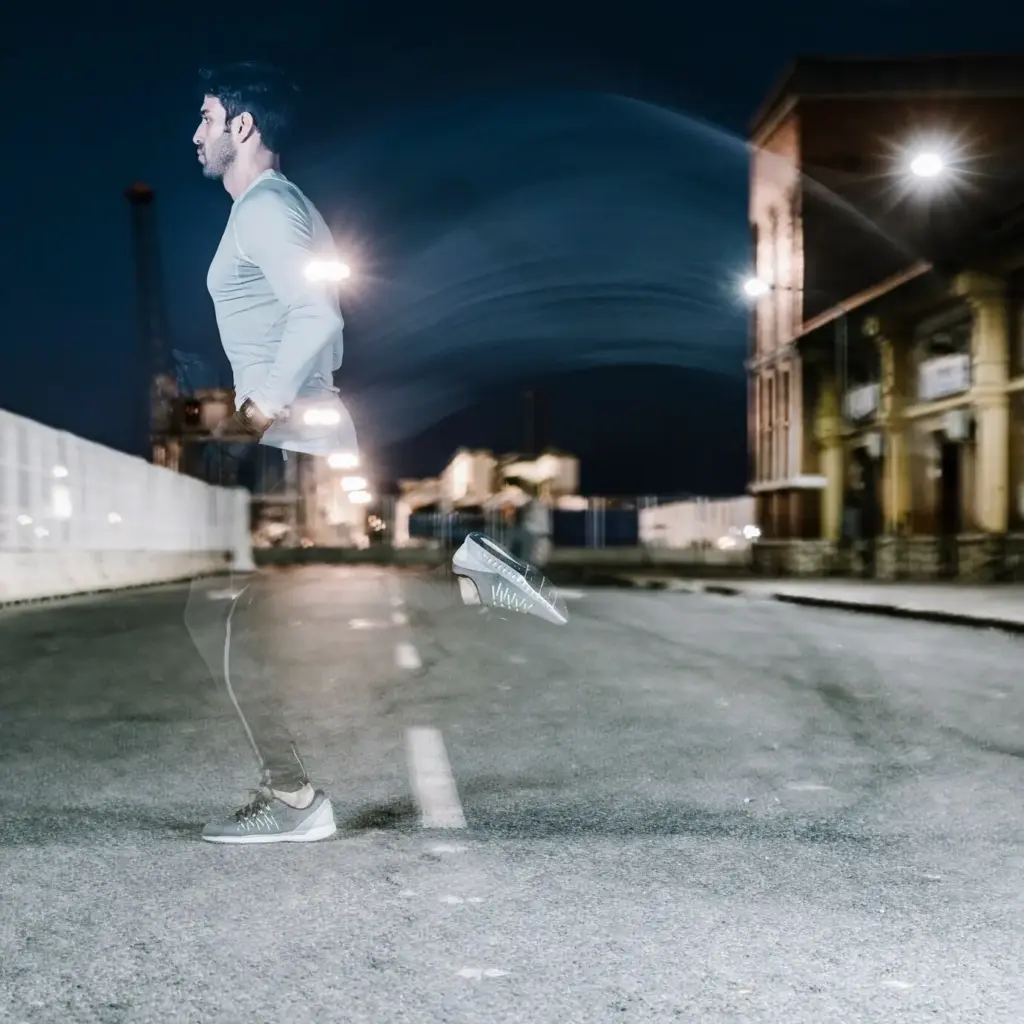
Tracking Heat on the Block

Step outside with curiosity and a thermometer as we explore sidewalk temperature surveys and the urban heat island, turning everyday blocks into living laboratories. You will learn how to capture reliable surface readings, interpret neighborhood patterns, and translate evidence into meaningful changes like shade, materials, and cooling design that protect health, comfort, and equity during increasingly hot seasons.

Why Pavements Blaze While Air Feels Milder

Surfaces absorb and release energy differently than air, which is why your shoes feel like griddles even when the forecast seems modest. Material color, texture, moisture, and age shape heat retention, while traffic, building geometry, and shade lines intensify local extremes. Understanding these interactions clarifies why some corners scorch, others soothe, and how tiny design differences accumulate into measurable urban heat island effects across entire neighborhoods.

Designing a Sidewalk Survey That Works Every Time

A reliable survey turns quick walks into credible evidence by standardizing times, tools, and routes. Choose representative blocks, map repeatable transects, and measure under consistent sky conditions to reduce noise. Pair surface readings with notes on traffic, shade, and materials, then log coordinates for every stop. With a clear protocol, your data becomes persuasive, comparable across seasons, and actionable for neighbors, designers, and decision-makers aiming to cool the street.

A Walk Through Noon: Notes From a Scorching Transect

Midday, the block spoke loudly. Steps from a bakery door, bare asphalt radiated punishing heat, while a narrow plane of tree shade delivered immediate relief. The thermometer revealed contrasts that matched sensations in our skin and shoes, transforming discomfort into numbers and stories neighbors recognized instantly. Those readings made conversations about materials, maintenance, and shade not only urgent, but personal and vividly actionable for everyone involved.

From GPS Breadcrumbs to a Clear Map

Capture latitude and longitude for each measurement with a phone or GPS logger, then import a tidy spreadsheet into user-friendly GIS software. Use graduated symbols or interpolated surfaces carefully, labeling units and times prominently. Add context layers—trees, bus stops, building footprints—to connect temperatures with features people recognize. Finally, export a lightweight web map so neighbors can explore familiar blocks, zooming from big-picture patterns to the corner they walk every day.

Reading Patterns Without Fooling Yourself
Do not overinterpret sparse points or single-day quirks. Compare repeated surveys, check variance, and seek consistent signals across similar surfaces before drawing conclusions. Use histograms and box plots to visualize distributions, noting overlap between materials. Annotate anomalies with field notes about wind, cloud cover, or recent watering. This disciplined reading keeps your story honest, ensuring recommendations emerge from durable evidence instead of convenient or dramatic one-off observations.

Pictures City Leaders Actually Read

Officials juggle limited time and competing needs, so lead with a single, legible image: a simple map, three clear findings, and two realistic actions. Keep labels large, units obvious, and legends uncluttered. Pair the visual with a short narrative linking discomfort, safety, and equitable investment. When requests are practical, like resurfacing one block or planting three trees along a transit stop, the path from data to action becomes surprisingly direct.

Cool Coatings and Lighter Mixes That Last

High-reflectance coatings and lighter mixes improve solar reflectance, reducing peak surface temperatures measurably. Success depends on preparation, skid resistance, and maintenance cycles aligned with traffic loads. Consider where glare might affect drivers or residents, and pair lighter surfaces with added shade or textured finishes. Pilot small test patches, monitor temperatures across seasons, and share results publicly. Durable, context-sensitive materials earn trust when they show consistent comfort gains block after block.

Trees, Soil, and Water That Do Real Work

Street trees need generous soil volumes, protected root paths, and regular watering to thrive and cool effectively. Bioswales, permeable pavements, and curb extensions hold moisture, supporting vegetation and moderating heat over time. Species selection matters: canopy spread, drought tolerance, and allergen considerations shape outcomes. Measure before and after planting to demonstrate change. When residents see numbers drop near new shade, stewardship grows, and long-term care becomes a source of neighborhood pride.

Putting Fairness First When Choosing Streets

Heat risk rarely falls evenly. Prioritize streets serving vulnerable residents—transit users, outdoor workers, seniors, and families without air conditioning—so improvements land where they help most. Combine your measurements with health data, shade inventories, and walkability assessments to guide choices. Invite local voices to validate priorities and refine designs. When investments reduce daily discomfort and protect those most exposed, trust builds, and broader cooling strategies gain momentum citywide.

Staying Safe, Kind, and Ready in the Heat

Collecting data should never compromise wellbeing. Plan short shifts, take breaks in shade, and hydrate constantly. Wear sun protection, closed shoes, and use buddy systems during extreme conditions. Respect sidewalks as shared spaces, seeking permission around sensitive properties, and staying alert near traffic. By caring for people first—volunteers, passersby, and workers—you ensure that every survey strengthens community ties and models the considerate behavior cooling projects need to truly succeed.

Join the Block-by-Block Effort

Sign Up, Grab a Template, Start Walking

Register for updates, then copy our lightweight data sheet or mobile form. Pick a short, safe route, and practice three readings per stop: sunlit asphalt, shaded concrete, and a green or permeable surface. Snap a quick context photo. Upload your points, and we will aggregate findings, credit your contribution, and share back visualizations that help your block, school route, or bus stop move from frustration to tangible, fair cooling steps.

Share Your Map and Tag the Movement

Post a snapshot of your map with a short caption explaining what surprised you most: a shaded bench, a reflective curb paint, or a heat trap by a storefront. Use our shared hashtag so others can learn, compare, and collaborate across neighborhoods. We regularly feature community efforts, inviting friendly peer review and practical advice that help make the next walk safer, more rigorous, and even more persuasive for local decision-makers.

Ask Questions, Challenge Methods, Improve Together

Drop a comment challenging an assumption, requesting a protocol tweak, or flagging an unexplained hotspot. We welcome hard questions about sampling bias, mapping methods, or material claims. Constructive skepticism strengthens collective work and builds confidence for wider adoption. Expect candid responses, shared spreadsheets, and method notes. When our process stands up to curious neighbors and seasoned professionals alike, the path from walking to winning cooler blocks becomes clearer and faster.
Zerarinonexolumanoviviro
Privacy Overview

This website uses cookies so that we can provide you with the best user experience possible. Cookie information is stored in your browser and performs functions such as recognising you when you return to our website and helping our team to understand which sections of the website you find most interesting and useful.